When arteries become clogged, the body can create natural bypasses to reroute blood flow around the blockage. Often, however, these small vessels don’t enlarge sufficiently to keep the downstream tissue alive, particularly in the legs. When that happens, it can result in amputation, which affects thousands of people each year, particularly those with diabetes or obesity.
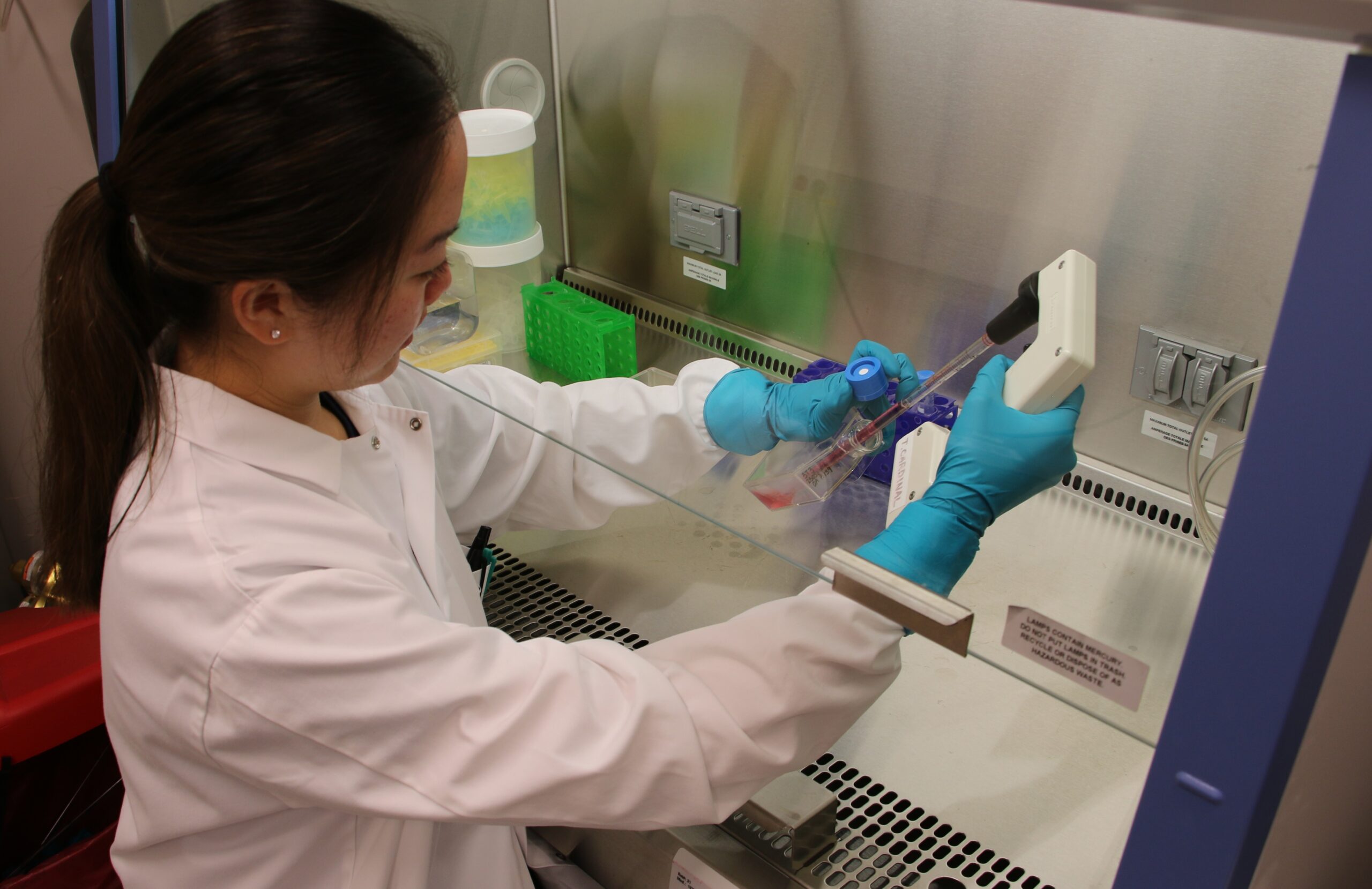
Biomedical engineering Professor Trevor Cardinal’s recently issued patent explores a new way to stimulate natural bypasses to enlarge, with the long-term goal of developing a therapy to help patients avoid amputation. His research began during graduate school at the University of Arizona, where he studied muscle stem cells, blood vessel growth and remodeling. After joining Cal Poly, he continued his work with students, eventually isolating and transplanting muscle stem cells into mice. Two of those students, Vahid Hamzeinejad and Ethan Tietze, are listed as co-inventors on the patent.
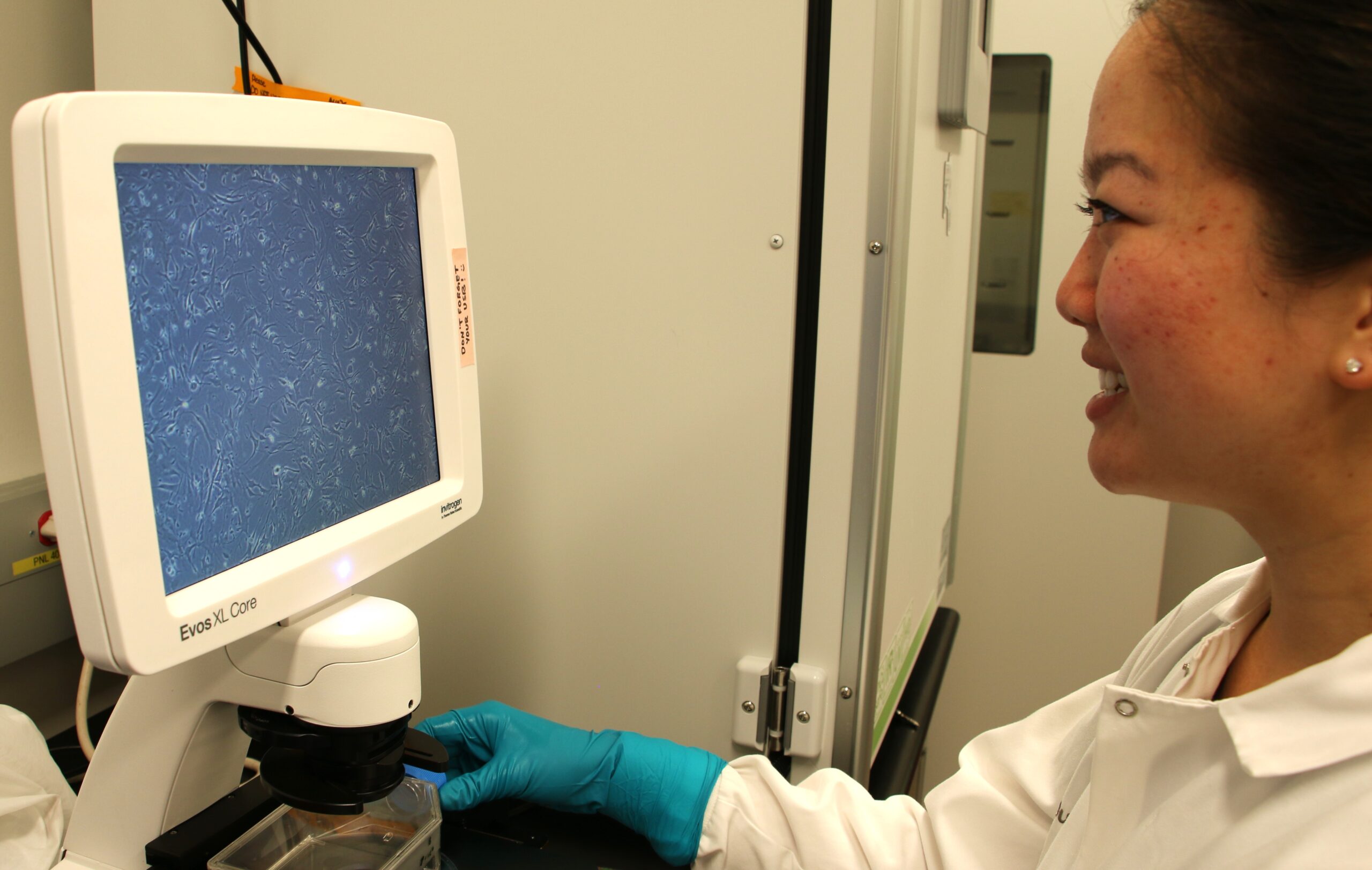
“In the lean mice, the cells did nothing, but in the obese mice, they enhanced the growth of natural bypasses,” Cardinal explained. “That outcome supported our hypothesis that muscle stem cells can overcome the proinflammatory metabolic environment that has limited the effectiveness of other cell therapies explored for preventing amputation when limb arteries become clogged.”
The findings are especially relevant given that many patients with vascular disease also have underlying metabolic conditions such as diabetes or high cholesterol, factors that have made past treatments less effective.
“We don’t know if these cells will work in humans yet,” he said. “But our results in mice suggest greater promise for muscle stem cells than other cell types that have already been tested, and found lacking, in clinical trials.”
He envisions eventually turning this patent into a therapy that spares patients from amputation.
Next steps include replacing mouse cells with human cells to see if the effect carries over, as well as securing additional funding to pinpoint how muscle stem cells communicate with other cells to promote the enlargement of the natural bypasses.
Cardinal hopes the work will lead to more than just a patent. His vision is a future where fewer patients lose limbs to vascular disease — and where Cal Poly’s research continues to move from lab bench to real-world impact.