
Vibe Coding With People in Mind

In Duha Ali’s graduate-level human factors course, students used AI-assisted coding to build working apps shaped by user feedback
No one searching for a missing hiker starts with the full story.
They may know where the person was last seen. They may know the terrain, the weather and how much daylight remains. But the next decision — where to send search teams first — can carry enormous consequences.
In Duha Ali’s spring human factors course, students were learning a new way into software development. Using AI-assisted “vibe coding,” they described what they wanted the code to do, then tested and revised what the technology produced.
Mandy Tran and Andrew Harper, master’s students in engineering management, applied that approach to search-and-rescue planning.
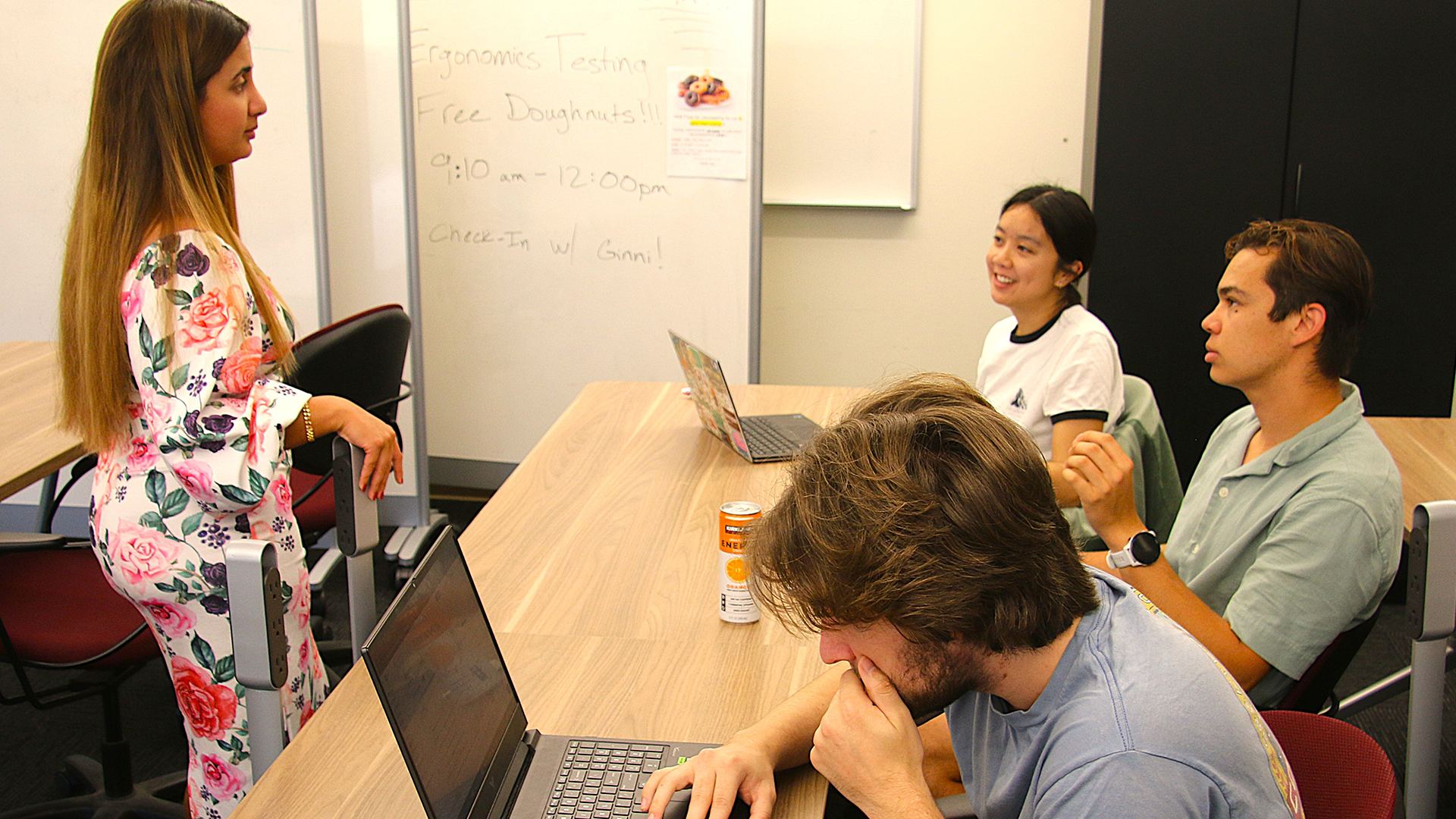
Their project, SARA, or Search and Rescue Assist, is designed to bring predictive modeling into the field. Drawing on Cal Fire records that show where people were last seen and where they were later found, the app uses past cases to suggest where search teams might look next.
The course has ended, and Tran has graduated, but SARA is still moving forward. Harper continues to develop the app with Ali as they work with the California Governor’s Office of Emergency Services toward a version the agency could one day maintain.
Vibe coding helped students reach a working version sooner. The course asked them to do something harder — keep testing the idea against the people it was meant to serve.
From Idea to Interface
Ali’s students came to the course from different points in their engineering education and with different levels of software experience.
The class brought together industrial engineering seniors and engineering management graduate students. Their undergraduate backgrounds included manufacturing, biomedical engineering and computer engineering. A few had built apps before. For many, the course was a first look at what AI-assisted coding could make possible.
That range gave the projects a practical quality from the start. Students did not need to arrive with a polished technical concept. They could work from a problem they knew well enough to question.
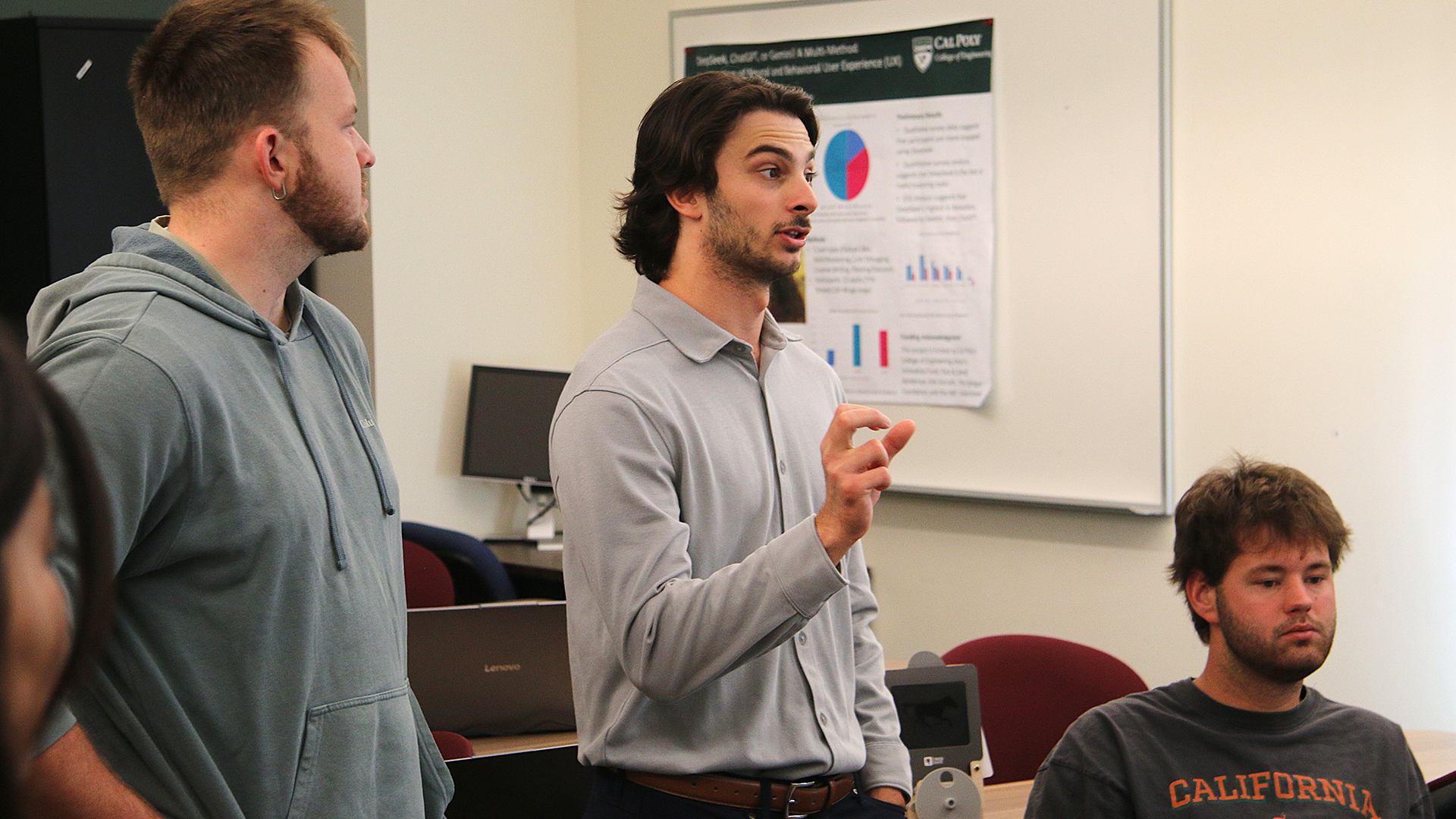
Nico DiFerdinando turned to personal finance.
His app, Zedi, was designed for college students and young adults who wanted a simple, free way to read receipts and track spending without paying for another subscription. By uploading bank statements, users could see spending patterns in one place.
“I wanted to keep it simple and nail the problem,” he said.
House Mouse, developed by Tyler Luby Howard and Eoin O’Brien, grew from another source of everyday friction. The app was designed to help roommates manage shared responsibilities, including chores and expenses, before small conflicts grew over time.
O’Brien said many roommate groups are formed out of necessity, not close friendship. An app like House Mouse, he said, could help improve those relationships.
Both projects stayed close to student life, one focused on money and the other on shared living. Once the apps appeared on screen, the choices became more concrete. DiFerdinando had to decide how simple Zedi could stay while still helping users understand their spending. Luby Howard and O’Brien had to decide which roommate conflicts House Mouse should tackle first and which could wait.
“It makes an idea way more important now since the barrier to entry is lower,” Luby Howard said. “I’ve made apps with a lot of bad ideas, but now I know what filters to put an idea through.”
Learning From Users
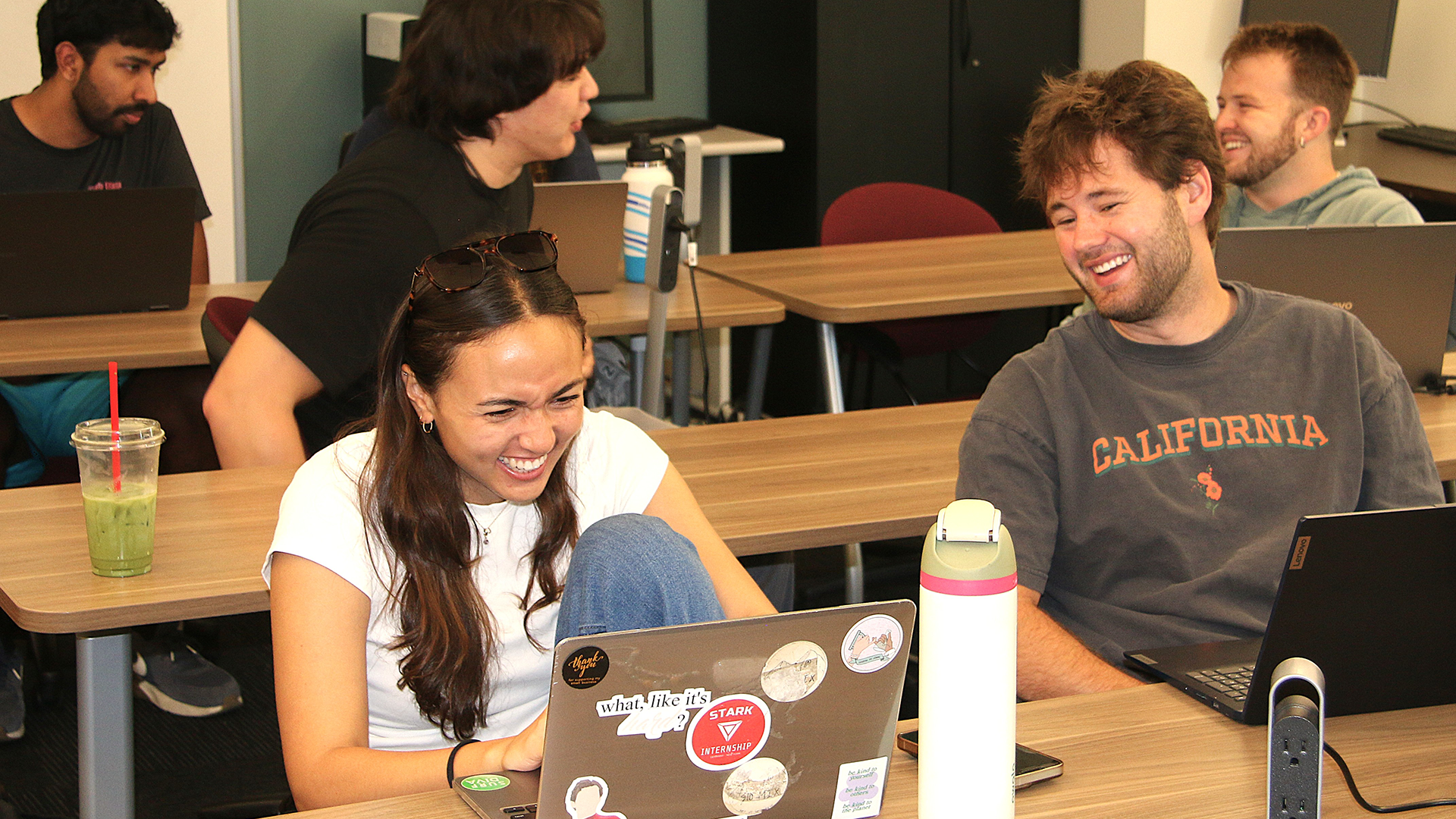
As the prototypes took shape, feedback became part of the design process. Students gathered it through usability tests and conversations with people who understood the problems their apps were meant to address.
That approach shaped Storytale, an AI-powered tool developed by Rithvik Shetty and Kelly Hoang to help speech-language pathologists create personalized social stories for children with non-speaking or minimally speaking autism.
Research came first for Storytale. Shetty and Hoang spoke with a speech-language pathologist who described existing social stories as difficult to customize and often less engaging for children. They also visited Developmental Specialty Partners, a San Luis Obispo clinic that provides speech therapy and other services for children with developmental needs. Those conversations helped them understand why generic stories could lose a child’s attention and where a more personalized tool might help.
“We wanted to make an app that would make social stories interactive and engaging for kids,” Shetty said.
Hoang had a personal connection to the issue through a friend’s younger brother, who has nonverbal autism. The work, she said, introduced the team to a field where better tools could make a difference.
“In doing this project, we learned about a whole new world out there,” Hoang said.
That kind of discovery also shaped the class structure. In morning circle, a regular class routine, students shared progress and reflected on what had changed in their apps. The routine gave shape to the fast-moving work and helped students see how other teams were responding to feedback.
In written reflections submitted at the end of the course, students described how that structure shaped the way they worked. One student wrote that morning circle helped put weekly sprints into context, while another said the routine reinforced accountability and showed how much could be accomplished in 10 weeks with “a vision, a goal and AI tools.”
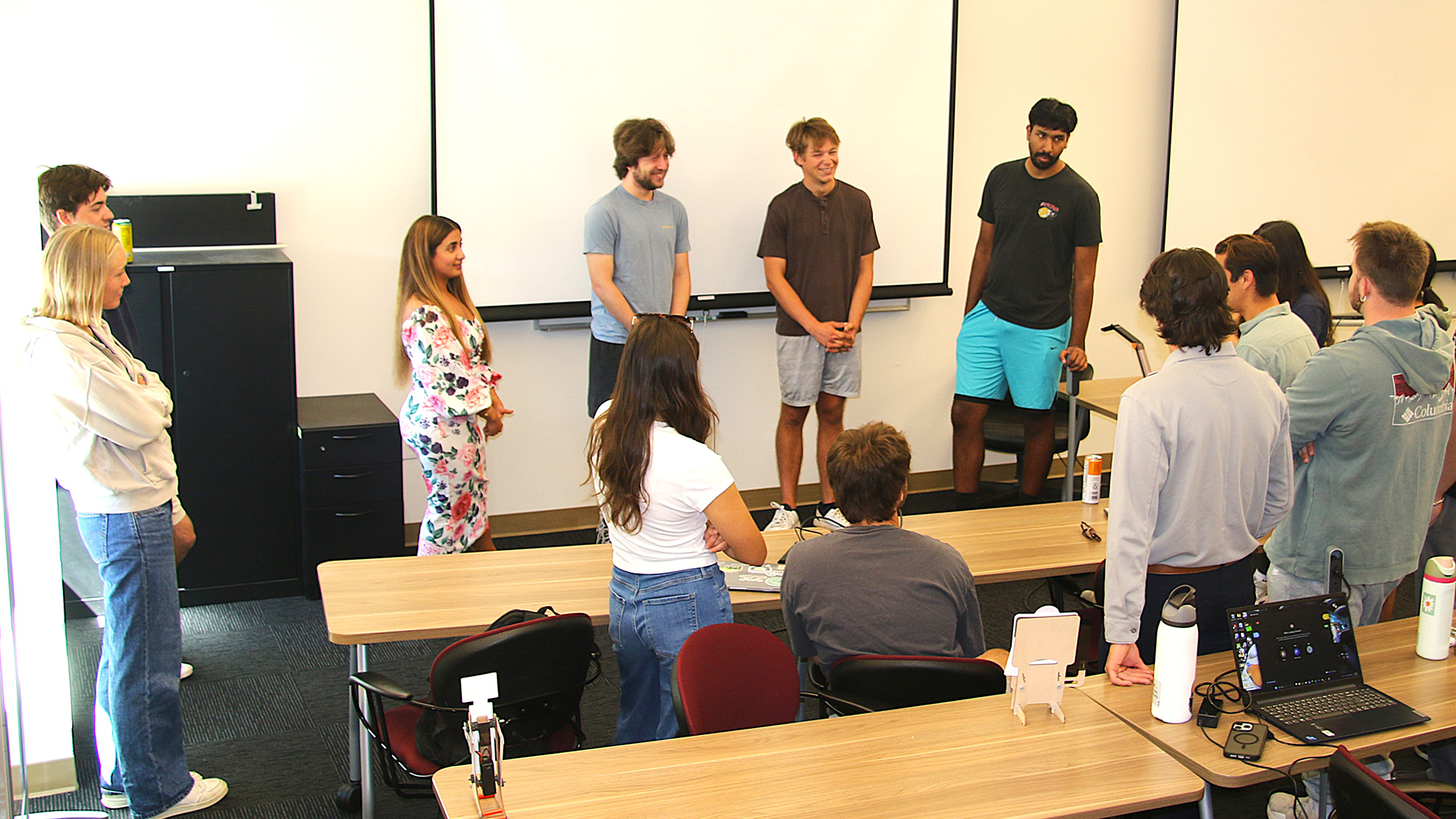
Usability testing gave students examples they could not ignore. Students discovered that users did not always move through their apps as expected. A button that seemed obvious to a team could be hard for someone else to find.
The feedback changed how students thought about development. Instead of treating testing as a final check, they began to see it as part of the process.
“Honestly, I thought I would be able to guess what issues the user would find in all of our tests,” one student wrote, “but the testing uncovered things I wouldn’t have thought about.”
Still Building
Ali plans to offer the course again in the spring, giving a new group of students the same challenge. They will use AI to build quickly, then keep revising once the work reaches people outside the team.
Ali sees that work as more than usability.
“Understanding human behavior doesn’t begin with a button — it begins long before a user ever sees your product,” Ali said.
SARA is in that stage now. Rather than stopping at a class demo, Harper and Ali are refining the prototype with Cal OES and working through what the agency would need before the tool could move into someone else’s hands.
To get there, SARA will have to become something emergency-response teams can use when information is limited and decisions cannot wait.


