
Cal Poly Students Build CNC Skills in Spain

A new Gene Haas Foundation-supported program brought 12 Cal Poly engineering students together with international peers for machining coursework at Tecnun
Will Fowler spent three weeks in Spain learning how to program machines that follow computer instructions to cut and shape metal.
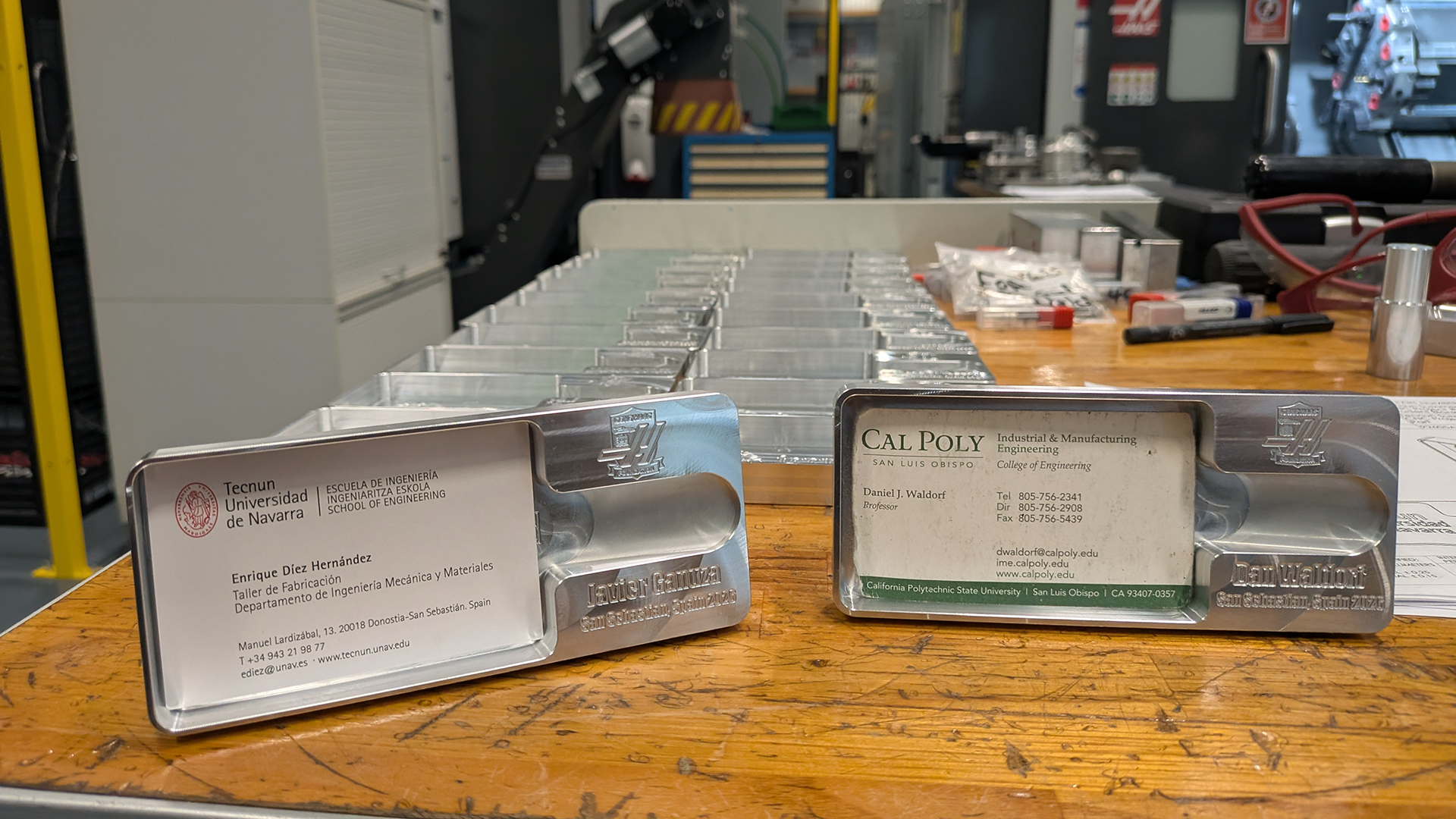
Near the end of the program, the fourth-year manufacturing engineering student put those skills to work on a computer numerical control, or CNC, machine to make a personalized aluminum business card holder. Students were not expected to machine the entire piece, but Fowler kept working until he had programmed every step himself.
Fowler smiled broadly as he recalled the accomplishment.
“I got so excited about the fact that I’d made a product from start to finish,” he said.
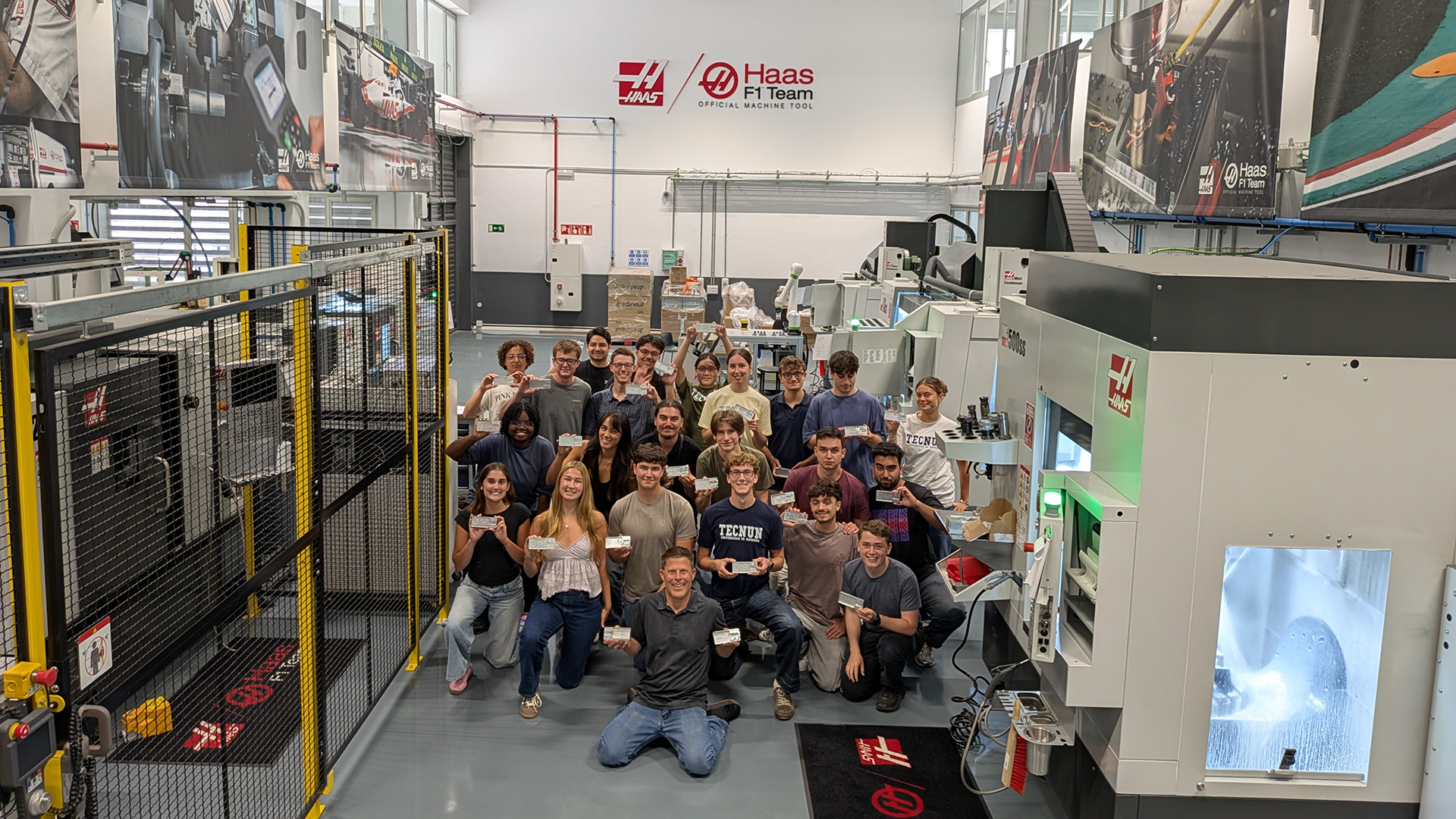
Fowler had never planned to study abroad. Then he heard about an opportunity to take Cal Poly’s IME 335 course in San Sebastián through a new international program. With little experience in CNC programming or computer-aided manufacturing software, he saw a chance to learn both while traveling independently in Europe.
That opportunity began with a conversation between Trian Georgeou and Javier Canals of Tecnun, the engineering school of the University of Navarra. During a visit to Cal Poly’s labs, Canals described Tecnun’s Gene Haas center, leading Georgeou to imagine a CNC course that would bring Cal Poly and European students together. He later pitched the idea at a regional Haas educators conference and teamed with Dan Waldorf to write the Gene Haas Foundation grant that would make it possible.
The Gene Haas Foundation provided $125,000 this summer to help launch the program. Waldorf and Georgeou taught the inaugural course, which enrolled 12 Cal Poly junior and senior engineering students alongside 12 students from other universities in Europe and around the world. Georgeou said plans are underway to offer the program again in summer 2027.

Learning the Machine
Fowler arrived at Tecnun with only basic exposure to CNC equipment.
“I had used machines in my first-year lab, but that mainly involved pushing a button,” he said. “I had very little understanding about programming.”
At Tecnun, that changed. Fowler worked with computer-aided manufacturing software for the first time, learning how digital designs are translated into instructions that direct a CNC machine as it cuts and shapes a part. Students also completed machine setups and calculations using the metric system rather than the imperial units they typically work with at Cal Poly.
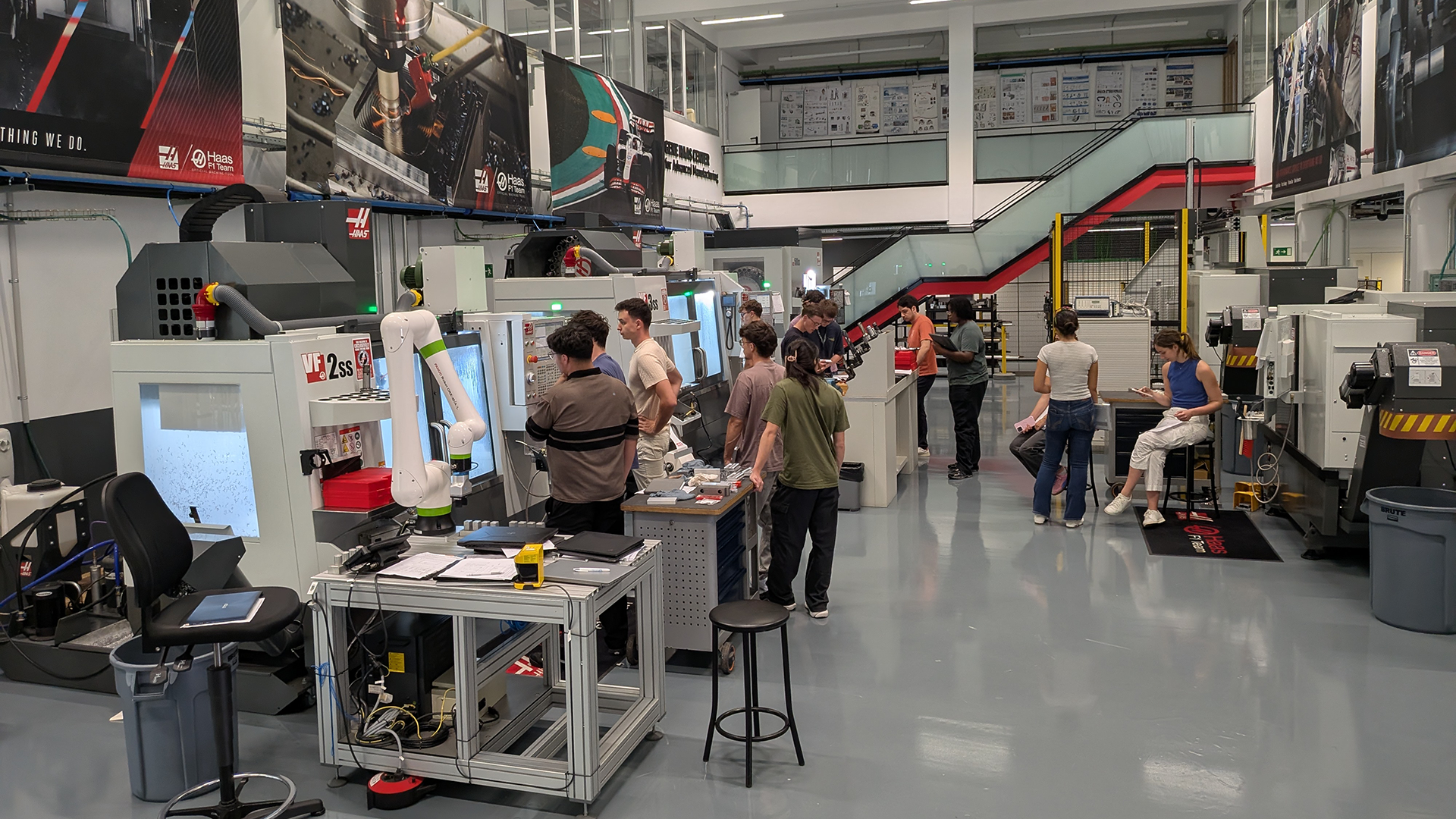
The experience also changed how Fowler viewed the manufacturing equipment available to him at Cal Poly.
“Our school is so hands-on, and I didn’t realize how few schools have access to the machines that we do,” he said.
That contrast became especially clear through conversations with the international students. Fowler recalled meeting a master’s student whose research involved testing parts inside a machine but who had never been able to run his own program on one. He had built a simulator instead.
Georgeou said broadening students’ perspectives was another important part of the program.
“They benefited from being exposed to a different culture and ways of thinking,” he said.
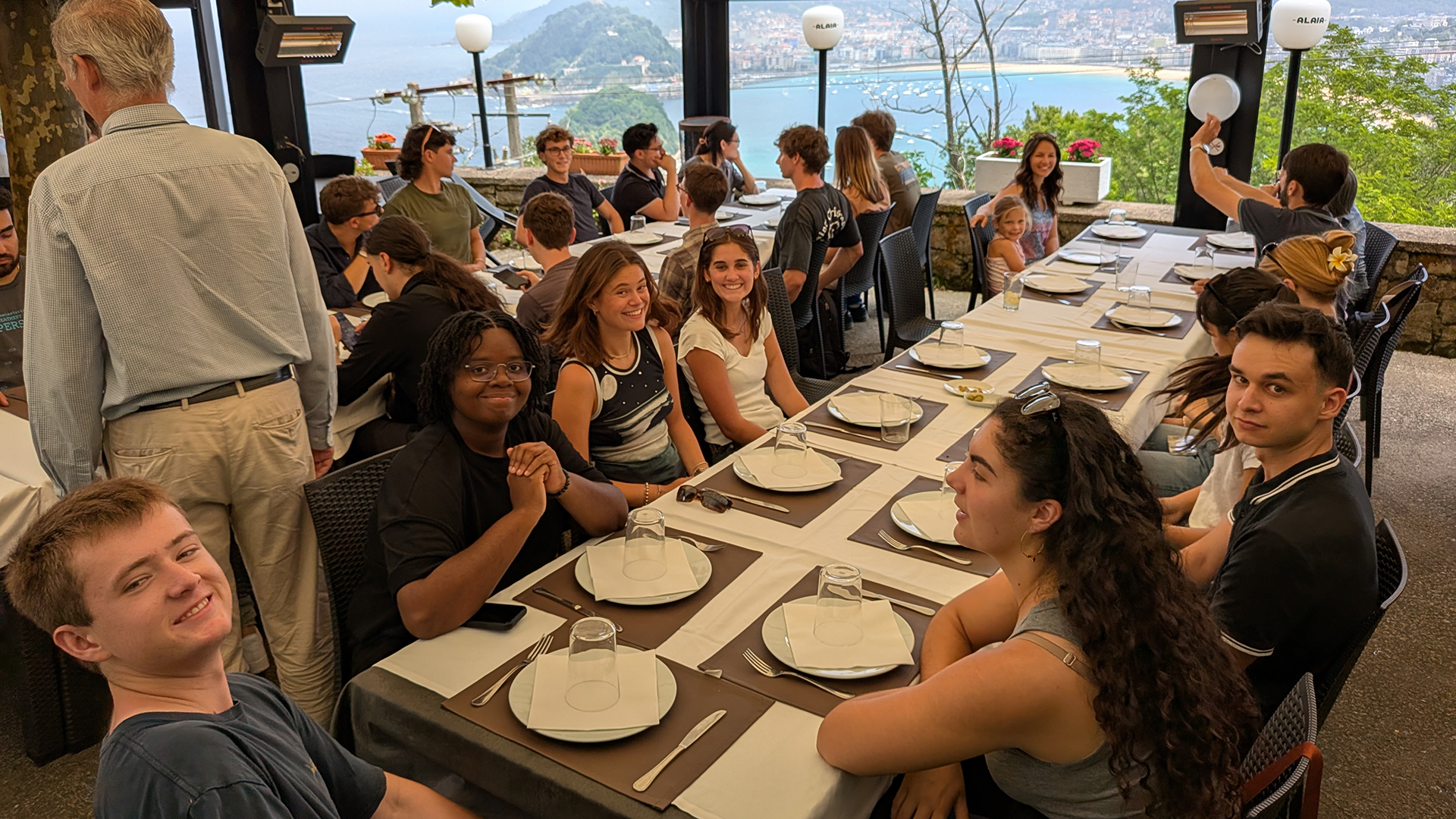
That goal was built into the course. Each Cal Poly student was paired with a student from another university, and organized activities gave the group time to get to know one another outside class.
“We were all students, and it was fun to share our culture with each other and hear about the college experience in different countries,” Fowler said.
Outside class, Fowler found San Sebastián familiar in some ways, likening the coastal city and its mild weather to San Luis Obispo. A visit to a cider house became one of his favorite outings, while a hike led by a local student gave the group another chance to spend time together.
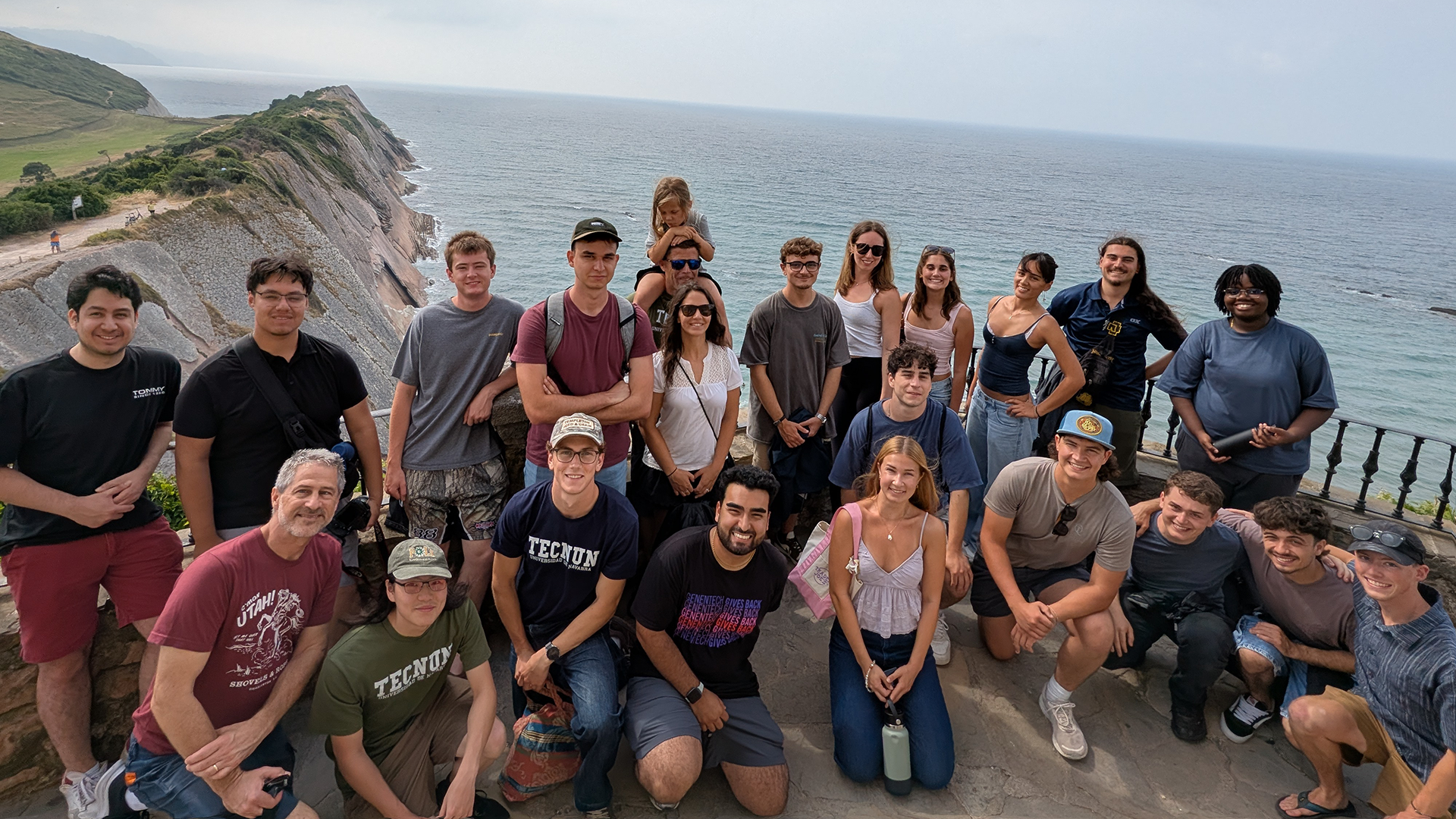
Those relationships followed Fowler home. He had known some of the Cal Poly students before the trip, but living and learning together brought them closer. Now, when he sees them in his industrial and manufacturing engineering courses, they share an understanding shaped by their time in Spain.
By the time Fowler returned to Cal Poly, the course had also helped clarify his plans. He said it was his first chance to focus specifically on machining, and he wanted to keep building those skills. After the program, Georgeou offered him a position as a student lab technician in Cal Poly’s Gene Haas Advanced Machining Lab.
“This trip solidified my desire to do more with machining,” Fowler said. “This is the field I want to be a part of.”
The sense of confidence he gained while finishing his cardholder stayed with him, too.
“I know I have the capability to do this kind of work,” he said.
Header image: Manufacturing engineering student Will Fowler works at a CNC machine at Tecnun in San Sebastián, Spain, where he expanded his experience with CNC programming and computer-aided manufacturing during Cal Poly’s international summer program.


