
How Digital Democracy Helped Power Another Emmy-Winning Investigation

The Cal Poly-created tool is changing how investigative journalists dig into California government
Leading up to Cal Poly AI Day
This story is part of a series exploring how the Cal Poly community is putting artificial intelligence into practice while thinking critically about how it should be used. Cal Poly AI Day takes place Thursday, Oct. 22.
When CBS investigative reporter Julie Watts won an Emmy in August for an investigation into skin care products marketed to young girls, some of the work behind the story traced to Cal Poly’s Digital Democracy and a professor she turns to when the questions get harder.
Created at Cal Poly’s Institute for Advanced Technology and Public Policy, Digital Democracy is an AI-powered tool that makes California government easier to search and understand. With legislative hearings and other public records searchable, journalists can trace a bill’s path and quickly locate moments buried in hours of testimony.

Watts first encountered Digital Democracy before CalMatters launched it, when she served as a beta tester. The tool has remained part of her work ever since.
“It has completely changed the way I report,” Watts said.
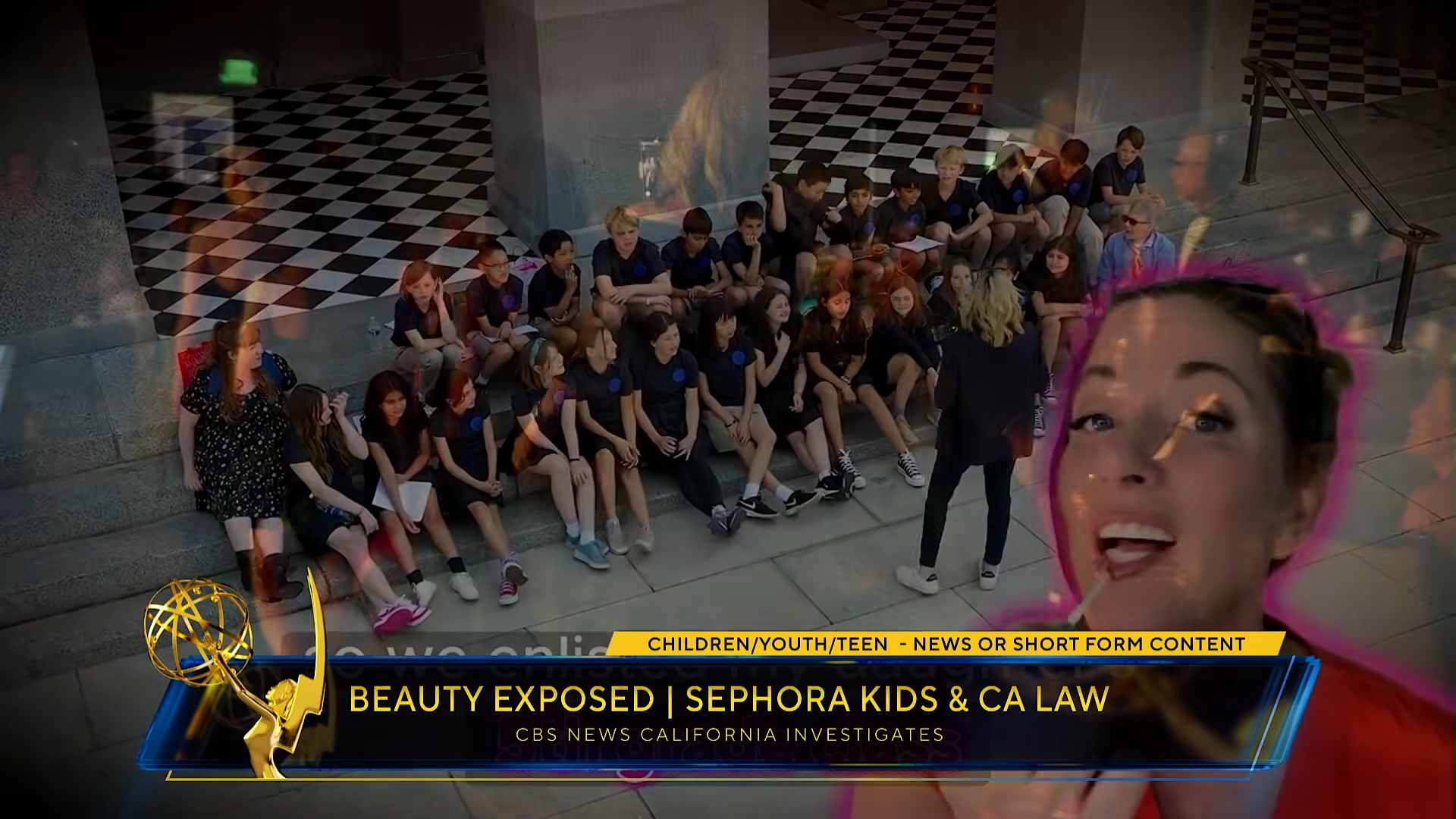
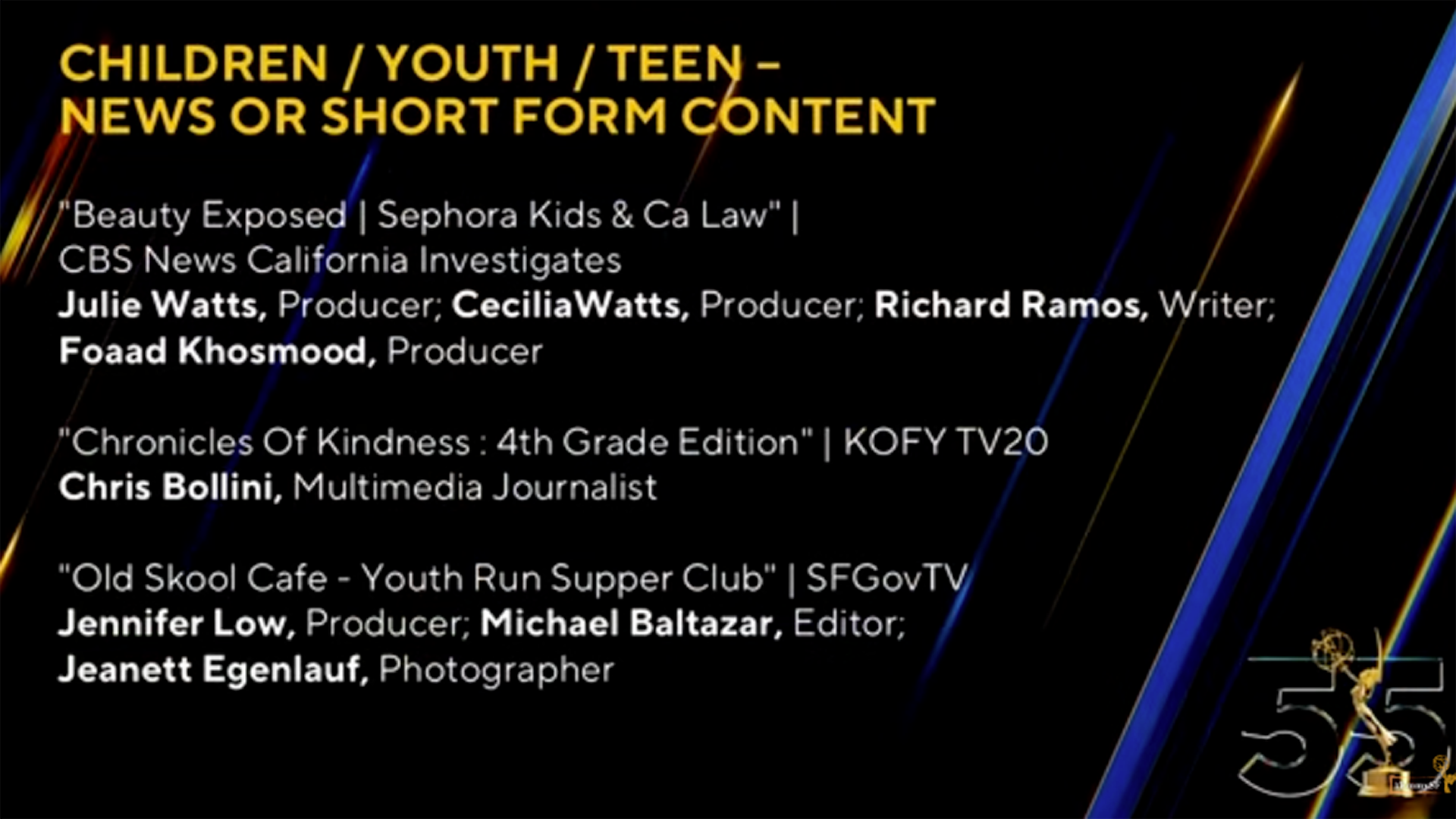
The August award marked the second Emmy in two years for a project assisted by Digital Democracy, this time for Watts’ reporting on a California bill that would have required age verification for minors buying certain anti-aging products.
The bill ultimately died in committee without reaching a floor vote. As Watts investigated why, she began asking who might have influenced its fate.
That deeper inquiry brought Cal Poly computer science and computer engineering professor Foaad Khosmood into the search.
Following the Trail
Watts can do much of the initial digging herself, using Digital Democracy to follow a bill’s votes and locate pivotal moments in legislative hearings without sitting through hours of video.
That matters in television, where Watts often needs more than a line in a public record. She needs to show viewers what happened.

During an earlier fentanyl investigation, Watts used Digital Democracy to examine how often legislation died when lawmakers simply did not cast a vote. She could then return to the hearing and pull up testimony that showed viewers how the process unfolded.
“Even the front-facing website allows work we never would have done as journalists,” Watts said.
Some questions, however, require more than a search. When Watts wants to test a broader pattern across bills or lawmakers, Khosmood uses programming to pull information directly from the Digital Democracy database.
The two trade ideas and findings as the investigation develops. Watts brings a reporter’s instinct for where to look, while Khosmood helps determine what the data can support and where the evidence stops.
Together, they can pursue leads that once would have demanded far more time.
“I never could have done that before CalMatters and Digital Democracy,” Watts said.
The Limits of the Record
Watts’ Emmy-winning beauty investigation offered a particularly revealing test of that process.
She examined the growing market for skin care products aimed at young girls, including anti-aging products containing retinol and exfoliating acids that dermatologists warned could irritate or damage young skin.
Watts enlisted her own fifth-grade daughter to help identify what was being sold and how it was marketed. Her daughter and classmates later attended a Capitol hearing, where they heard a young girl testify about burns she suffered after using beauty products.
Watts also adapted the reporting for different audiences, including younger viewers — part of an approach that helped earn the project a national Edward R. Murrow Award for innovation.
As she followed the legislative thread, Watts began asking whether the skin care industry had played a role in what happened to the measure. Khosmood searched Digital Democracy’s data for ties between the industry and dermatologists who had opposed it.
The searches pointed to possible correlations, but nothing strong enough to establish a relationship.
“We weren’t able to find a smoking gun,” Khosmood said.
That result underscored an important limit. Digital Democracy can identify patterns worth pursuing, but the technology cannot determine what those patterns prove.
“We can bring up correlations, but it’s up to the reporter to research them,” Khosmood said.
For Watts, the absence was revealing in its own way, exposing how difficult it can be to trace influence when the public record does not fully capture the relationships a reporter is trying to understand.
The Human Judgment Behind the Data
The beauty investigation also highlighted the work AI still leaves to the reporter.
Watts uses the technology to sort and analyze information that already exists, but the results still require a reporter’s scrutiny. Names can be misspelled. Calculations can be wrong. Either can damage a reporter’s credibility.
“It’s still incumbent on us to make sure we are giving accurate information,” Watts said.
Khosmood shares that concern, particularly as skepticism around artificial intelligence grows. Digital Democracy can help reporters find relevant information more quickly, he said, but journalists still have to verify the findings and decide what the evidence supports.
That same caution shapes how Khosmood approaches AI at Cal Poly, where students are learning to navigate both the opportunities and concerns surrounding the technology.
“You have to understand the tools so you can affect how they are being used,” he said.
For Khosmood, the same principle defines Digital Democracy’s role in journalism.
“The wrong lesson to take from this story is that AI can do news better than humans,” Khosmood said. “We are trying to make reporters more impactful, not replace them.”
Learn more about Cal Poly AI Day on Oct. 22.
Top photo: Dave Lesher, left, Cal Poly professor Foaad Khosmood and Christine Robertson, senior adviser to Cal Poly’s Institute for Advanced Technology and Public Policy, celebrate Digital Democracy’s first Emmy win in 2025. A second Digital Democracy-assisted investigation earned an Emmy in August 2026.


