
CENG Faculty Spotlight: Nina Aliamus
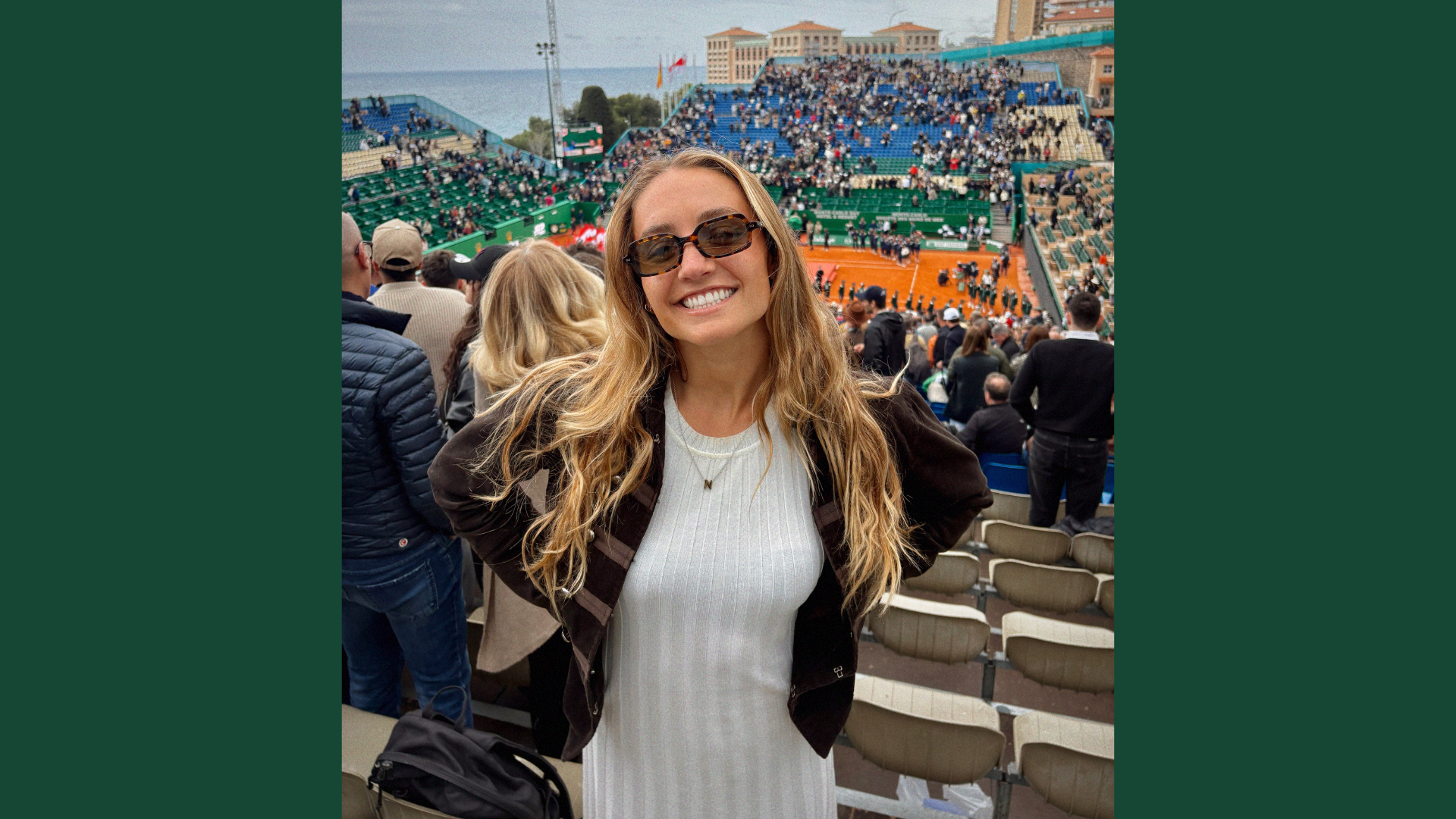
Each week, the College of Engineering highlights an outstanding member of our engineering community. This week, we are introducing Nina Aliamus, a full-time lecturer in the Civil and Environmental Engineering Department.
What brought you to Cal Poly College of Engineering?
I studied civil engineering at Cal Poly and fell in love with the Central Coast, so after graduating, I stayed in San Luis Obispo and worked as a civil engineer for a local firm. That experience eventually brought me back to Cal Poly, this time on the other side of the classroom. I’m excited to bring what I’ve learned in the industry into my teaching and give back to the community that helped shape me as an engineer.
What is your favorite place in San Luis Obispo County and why?
Montaña de Oro State Park. It has a little bit of everything I love about living on the Central Coast: the ocean, trails, open space and so many places to explore. It’s one of my favorite places to spend time outside.
How do you like to spend your free time?
Pretty much anything that gets me outside. I love surfing, skiing, running, practicing and teaching yoga, and camping.
What are you most looking forward to in the upcoming academic year?
I’m most looking forward to building community with my students and faculty. Starting this new role feels like an exciting opportunity to connect with students, learn alongside them and create a classroom environment where people feel comfortable asking questions, collaborating and getting excited about engineering.
What is the most helpful advice you’ve received?
Make engineering relevant. Engineering concepts become so much more meaningful when you can connect them to the world around you. That advice has stuck with me both as an engineer and now as an educator.
How does engineering apply to your daily life?
Once you become an engineer, it’s hard to stop seeing engineering everywhere. Civil engineering especially is built into so much of our everyday lives, from the roads we drive on and the water coming out of our faucets to the way our communities are designed and how we interact with the natural environment. I’m constantly noticing things and wondering how or why they were designed that way.
How do you encourage engineering students to make an impact on the community?
I try to bring real-world examples into the classroom and connect what students are learning to the communities they’ll eventually serve as engineers. Engineering decisions have direct effects on people and places, so I want students to think beyond simply finding the “right” technical answer and consider how their work can make communities safer, more sustainable and better places to live.


