
Remembering Hal Cota, a Pioneer of Environmental Engineering at Cal Poly

He helped establish a new academic path in 1968, then spent a lifetime helping
students find their own
There was no textbook for the noise and vibration control course Hal Cota taught during his early years at Cal Poly. So he went to the library.
There, he pieced together a syllabus from journal articles and technical publications, preparing one of four new classes he taught each quarter. His first air pollution control class drew just two or three students. But even as he built courses from scratch, Cota had his sights on something far bigger.
Hired in 1966 to develop an air pollution control concentration within the Air Conditioning and Refrigeration Department, he envisioned a new direction for it, with environmental engineering — a field still finding its footing in American universities — at its center. Even some professionals working in pollution control questioned whether the emerging discipline deserved a degree of its own.
Cota, who died Oct. 6 at age 90, pressed ahead. He proposed a new name and a broader mission for the department, gaining support from faculty and alumni. In 1968, Cal Poly approved the transformation, establishing one of the nation’s early undergraduate environmental engineering programs.
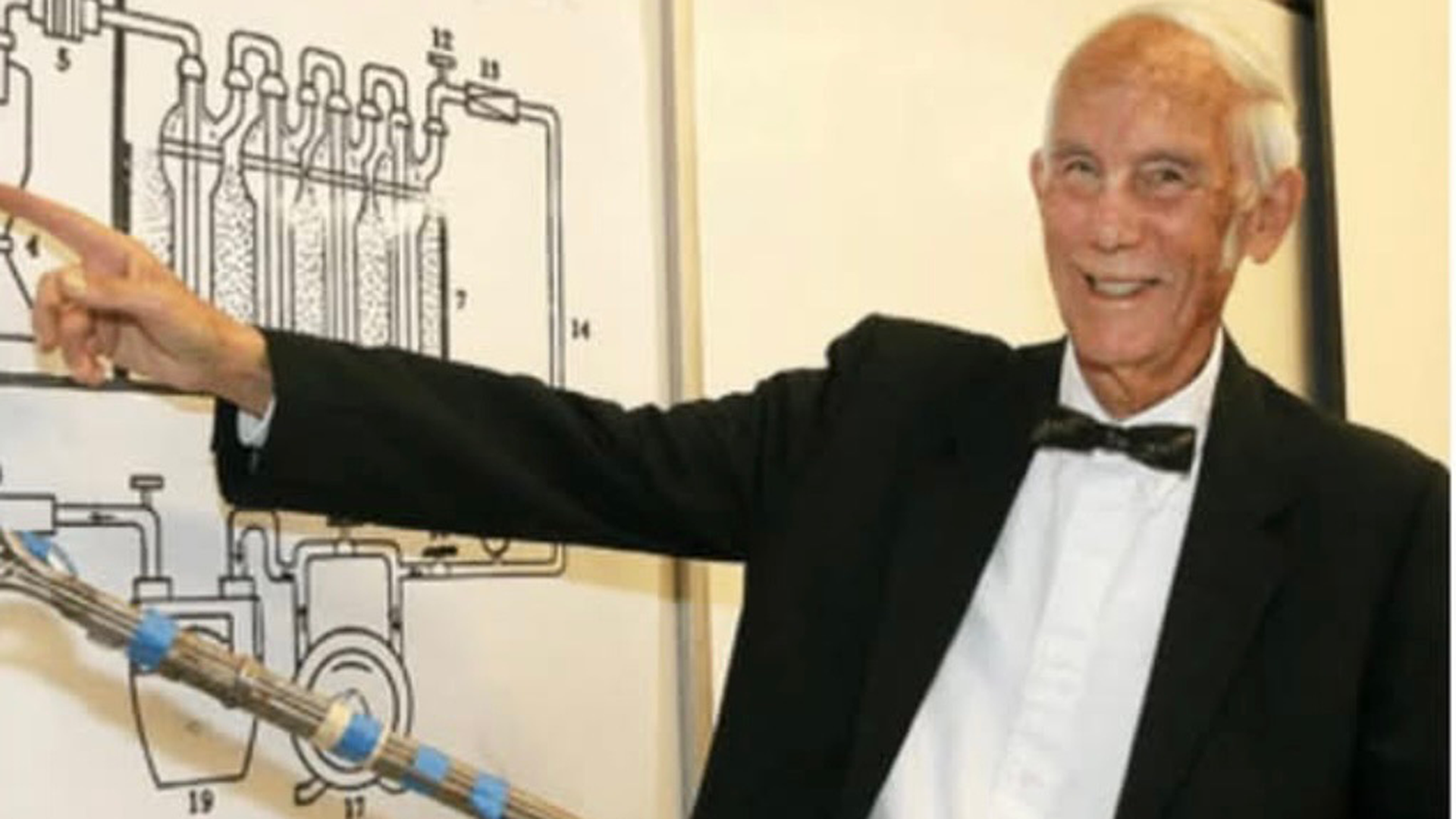
To give students the hands-on education he envisioned, Cota and his colleagues needed equipment that would allow them to measure pollution for themselves. They sought federal funding, submitting what he later described as the School of Engineering’s first large grant request.
When federal researchers came to evaluate the proposal, one questioned how anyone could study air pollution in San Luis Obispo, much less measure it.
Cal Poly secured the grant, bringing pollution-monitoring instruments to campus. Additional support allowed undergraduates to spend summers working with air pollution control agencies across California. In his account of the program’s first 50 years, Cota recalled that Cal Poly was the only university receiving that particular federal assistance for undergraduates.
By the early 1980s, Cal Poly was one of eight Environmental Protection Agency training centers nationwide. As director, Cota helped train environmental regulators and staff from Native American tribes throughout the West.
Lessons That Lasted
Cota’s daughters were getting an education of their own, often from the back seat of the family car.
On trips across the country, their father pointed out smokestacks, explaining which were doing a better job of controlling pollution. At home, Cindy Magliari remembered him measuring the noise levels of their hair dryers. When Becky Cota’s car muffler grew too loud, he insisted she wear earplugs.
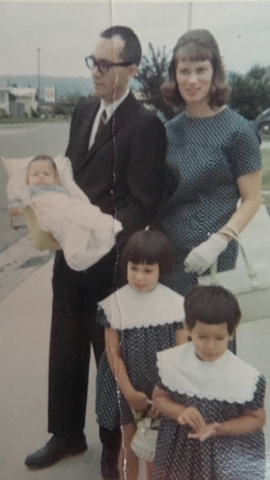
“He was always trying to protect kids,” Becky recalled.
At Cal Poly, he conducted noise tests to help students understand the risks of hearing loss. He also spent decades contributing to California’s environmental research, chairing the California Air Resources Board’s Research Screening Committee from 1996 through 2022.
In high school, Becky sometimes sat in on her father’s classes. Listening to him teach helped her understand how the work she had grown up hearing about could improve lives for future generations.
In 1981, Cal Poly’s environmental engineering program faced another challenge. A university reorganization threatened to divide its faculty between mechanical and civil engineering, raising questions about whether students could continue earning a degree in the field.
Cota and fellow professor Drago Misic could have moved to either department, but they wanted to preserve the degree they had helped develop.
Cota met with Peter Lee, the new head of civil engineering, over coffee. Lee wanted the professors to join his department, but Cota had a condition. He later recalled telling Lee that “the only way we would join Civil” was if environmental engineering remained in the department’s name and students could continue earning a separate degree.
Those negotiations led Cal Poly to establish the Civil and Environmental Engineering Department in September 1982, preserving environmental engineering as a separate degree.
A Teacher for Life
When Cindy looked through her father’s phone after his death, she found a text from a student hoping to meet him for lunch.
“Students were always No. 1,” she recalled.
Cota took an interest in their lives, helping them find jobs and housing and encouraging those struggling with their studies not to give up. At annual Air & Waste Management Association conferences, he introduced young engineers to professionals who could help launch their careers.
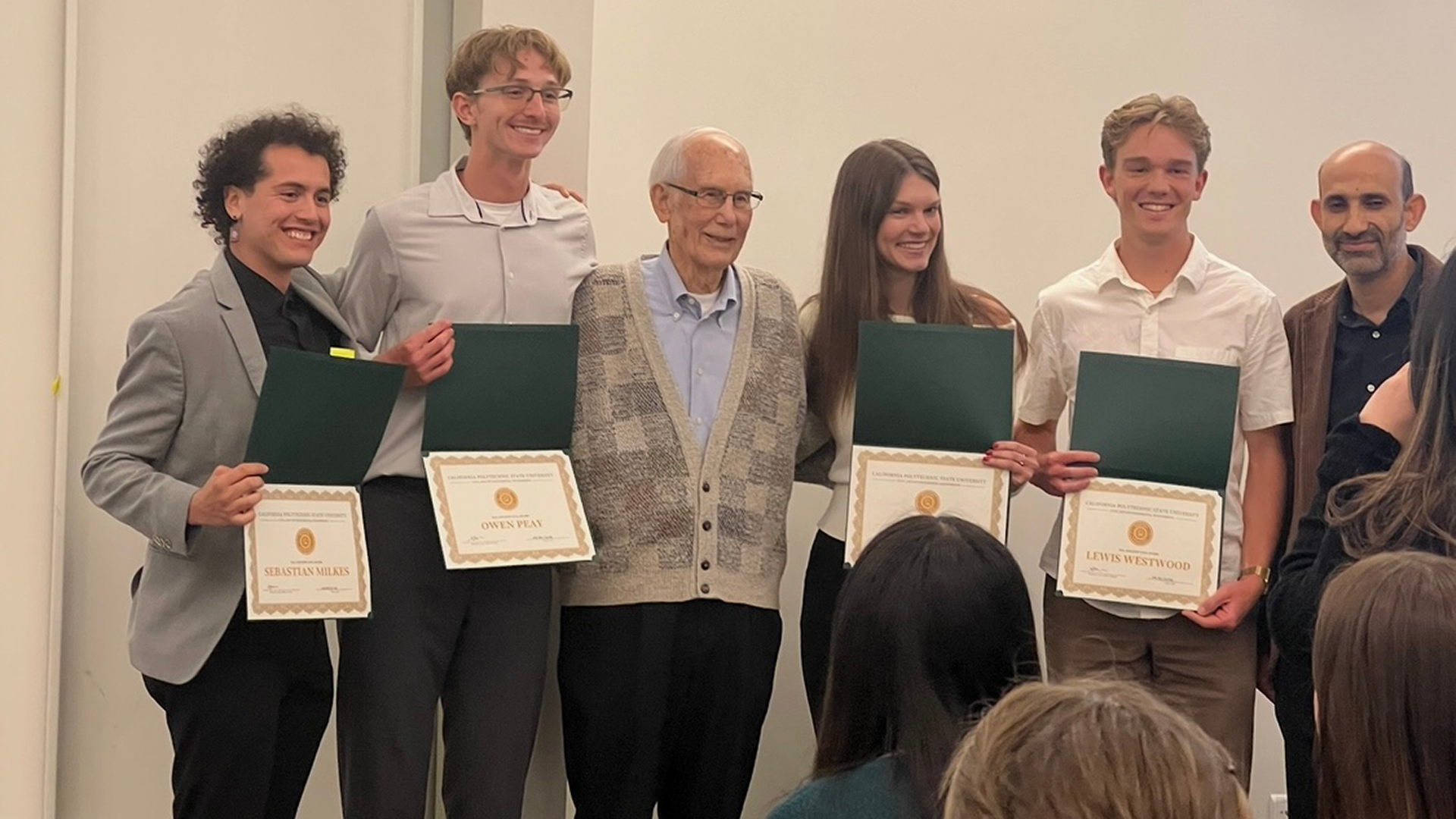
Years later, Becky heard from someone who wanted to thank her father for helping secure a job at Cal Poly.
His wife of nearly 60 years, Judy, was a homemaker who shared his commitment to students. In his history of the program, Cota described her as “a constant supporter of our students,” both at home and through the association’s West Coast section.
Becky got another glimpse of how much Cal Poly meant to her father when she sorted through his closet. Roughly a quarter of his clothes were Cal Poly apparel. He was just as eager to share his enthusiasm for the university. When her daughter graduated from high school, Cota gave her friends campus tours, introducing them to the dean regardless of their intended majors.
“I don’t know that you can ever really say he retired,” Cindy said.
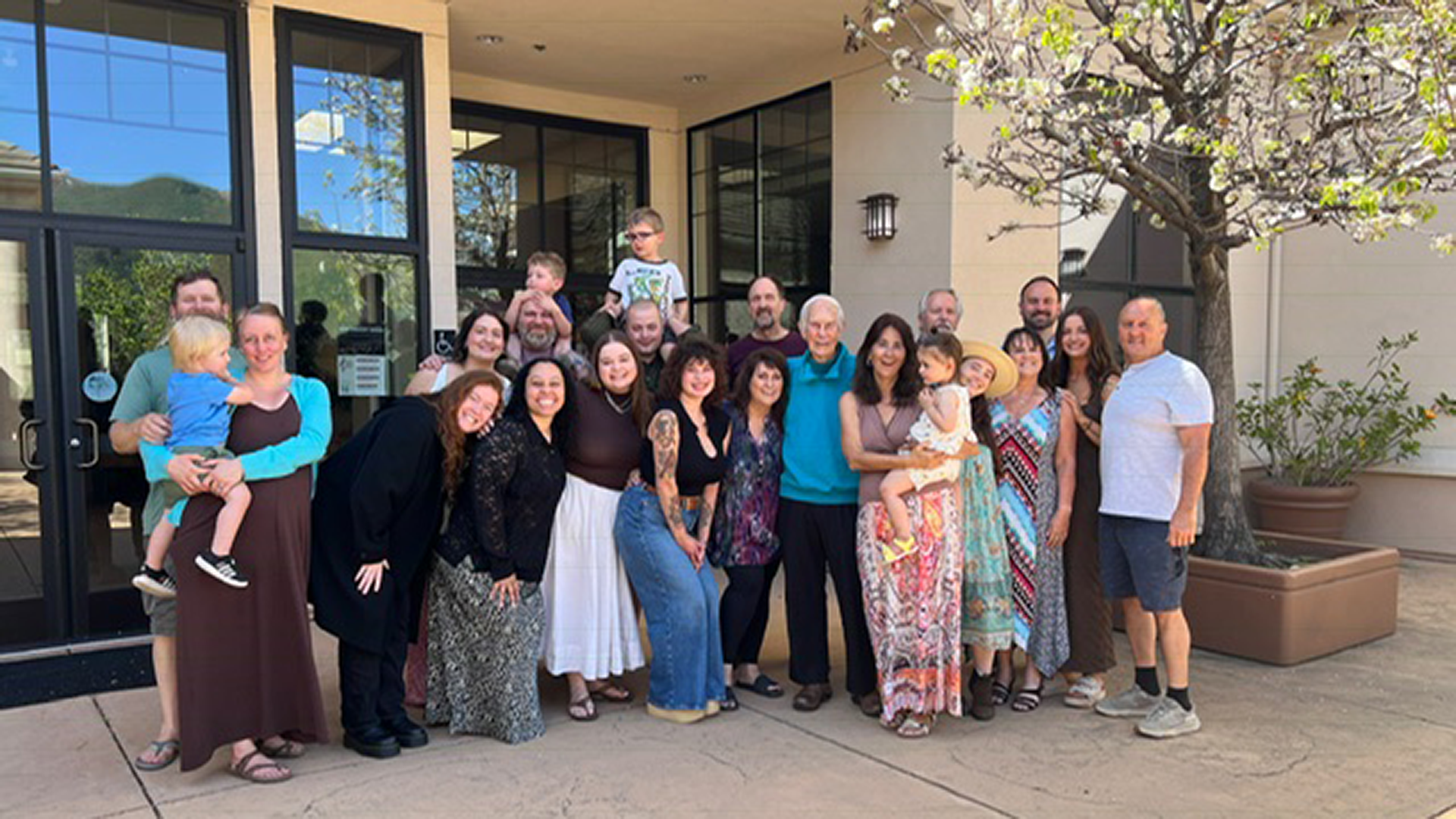
Cota continued taking courses on his computer into his final year and encouraged that same curiosity in his family. He bought courses for his grandchildren, and when Becky, a dance teacher, had a deaf student, he brought her one in sign language.
“He wanted to make life better for his students, family and for everyone else,” Cindy said. “That’s my dad.”
Cota’s devotion to the United Methodist Church stretched back to his childhood. A memorial service will be held at 9 a.m. Saturday, Nov. 7, at the United Methodist Church of San Luis Obispo, 1515 Fredericks St.
Hal and Judy Cota’s commitment to students continues through the Harold and Judy Cota Scholarship Endowment, which their family plans to keep supporting. Those wishing to honor Cota’s contributions to environmental engineering can make a gift to the Dr. Hal Cota Air Pollution Lab Endowment.
Top photo: Hal Cota works with equipment in Cal Poly's environmental engineering laboratory. He helped establish the university's undergraduate environmental engineering program in 1968.


