Letter from the Chair - Aerospace Engineering - February 2026
Late one summer night in the Space Propulsion Facility, students in cleanroom suits kept watch over a thermal vacuum chamber’s readouts, trading off shifts as a test pushed past midnight. They weren’t just running hardware; they were building the playbook for how we train, test and prepare flight-ready systems long before they ever leave the ground.
That same mindset shows up across this winter newsletter — in the hangar, on the runway and in the lab.
In AERO 409, students move between the RV-7 and the hangar control room, tracking live data as Professor Paulo Iscold guides the aircraft through planned stalls off the coast. With retired Professor Kurt Colvin, Iscold has helped shape a course where students learn the discipline of flight test as a team: clear communication, redundancy and careful analysis that starts the moment the wheels leave the runway.
That same commitment to learning through iteration is on display with Design, Build, Fly. After last year’s competition ended seconds after takeoff with a crash, club leaders treated the setback as data. This year, they’re dialing back fragile choices, leaning into prototyping and training, and designing for reliability — then heading back to SAE Aero Design West in Fort Worth in April with a smarter, sturdier approach.
And sometimes, the lesson arrives at 37,609 feet.
On Oct. 28, 2025, Iscold directed a high-altitude flight test that took a Carbon Cub UL into stratospheric air over the Central Coast, surpassing historic marks for Cub-style aircraft. Even more powerful than the number was the classroom it created: students listened live as he coordinated with the pilot and air traffic control, hearing what real flight test sounds like when the stakes are high and the plan has to hold.
You’ll also meet one of our newest faculty members, Assistant Professor Lubos Brieda, whose work spans plasma flows, spacecraft contamination control and electric propulsion. He’s already helping build momentum around vacuum testing capabilities, while mentoring students and student clubs on technology prototypes and the testing that makes them real.
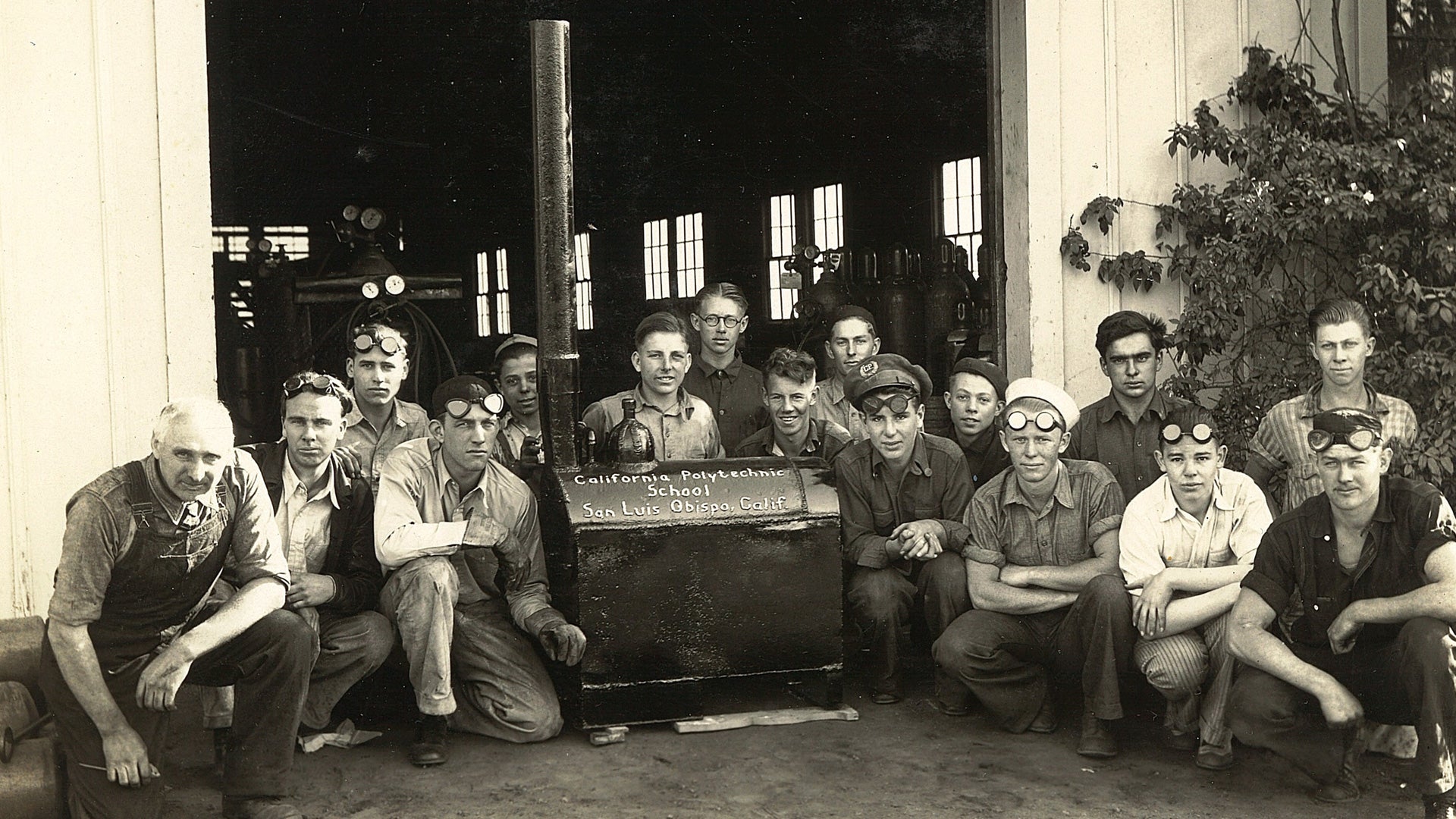
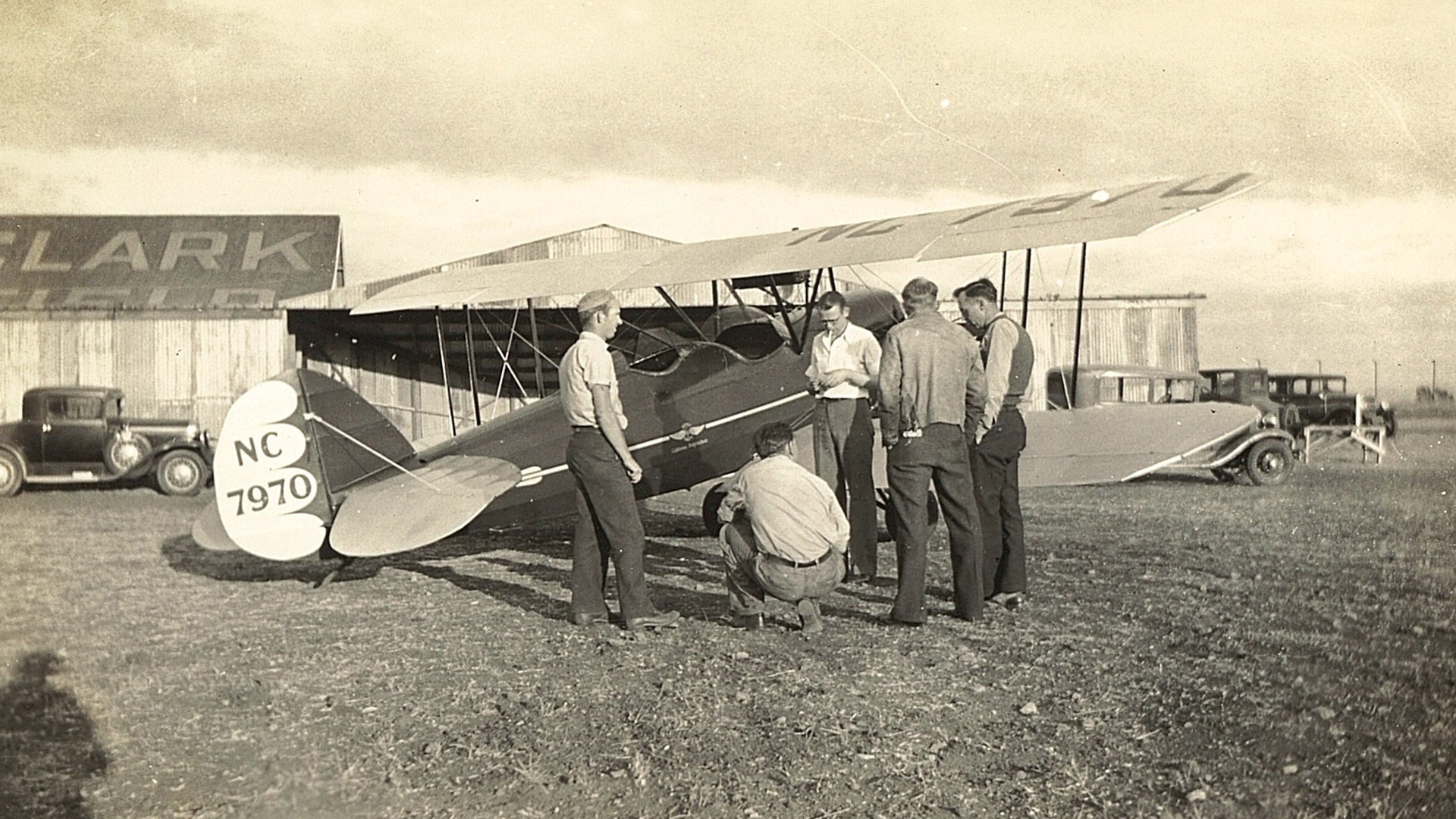
Looking ahead, we’re beginning to plan a series of celebrations during the 2028-29 academic year to mark the department’s 100th anniversary, culminating around Open House in 2029. We’ll share more as those plans take shape, but the goal is simple: to honor the people and the work that have defined this department across generations.
If you’d like to support that work now — from student training and competition travel to the facilities that make advanced testing possible — you can give to the Aerospace Special Projects Fund.
Thank you for being part of the AERO community and for helping our students turn ambitious ideas into flight-tested experience.